Different kinds of roasted flour were used to develop the supplementary food (Panjiri) from wheat, chickpea and soy flours with and without mixing of 10% skimmed milk powder and appropriate sugar (35%). The sensory quality characteristics of the products revealed that the mean score values for various sensory attributes viz; colour, flavour, taste, texture and overall acceptability varied from 6.0 to 8.8 It is observed that supplementary food fortified with 10% skimmed milk powder did not affect the sensory quality characteristics of the products. The values remained more or less the same Supplementary foods were formulated from locally available Flours of cereal grain and legumes such as wheat Flour, soybean Flour, maize flour and chick pea Four using household technologies like blending and roasting. The proximate composition of product used for preparation of supplementary food fortified with 10% skimmed milk powder contained higher amount of protein and other nutrients. They contained proteins (16.2 to 21.1%), fat (1.9 to 4.5%), fiber (1.28 to 1.78%), ash (0.7 to 1.40%) and carbohydrates (67.66 to 77.2%). Also showed that soy our / chickpea flour alone or in combination, both increased the amount of protein signifcantly. Soy flour fortication was considered the best because it is rich in protein with good product acceptability. The total energy expressed in terms of Kcal per 100 g of product varied from 350.7 to 395.8. The various minerals viz., calcium, phosphorus and iron were found to increase on supplementation with 10% skimmed milk powder. Shelf life of the product was good in both polyethylene and laminate packaging materials for the period of three months.
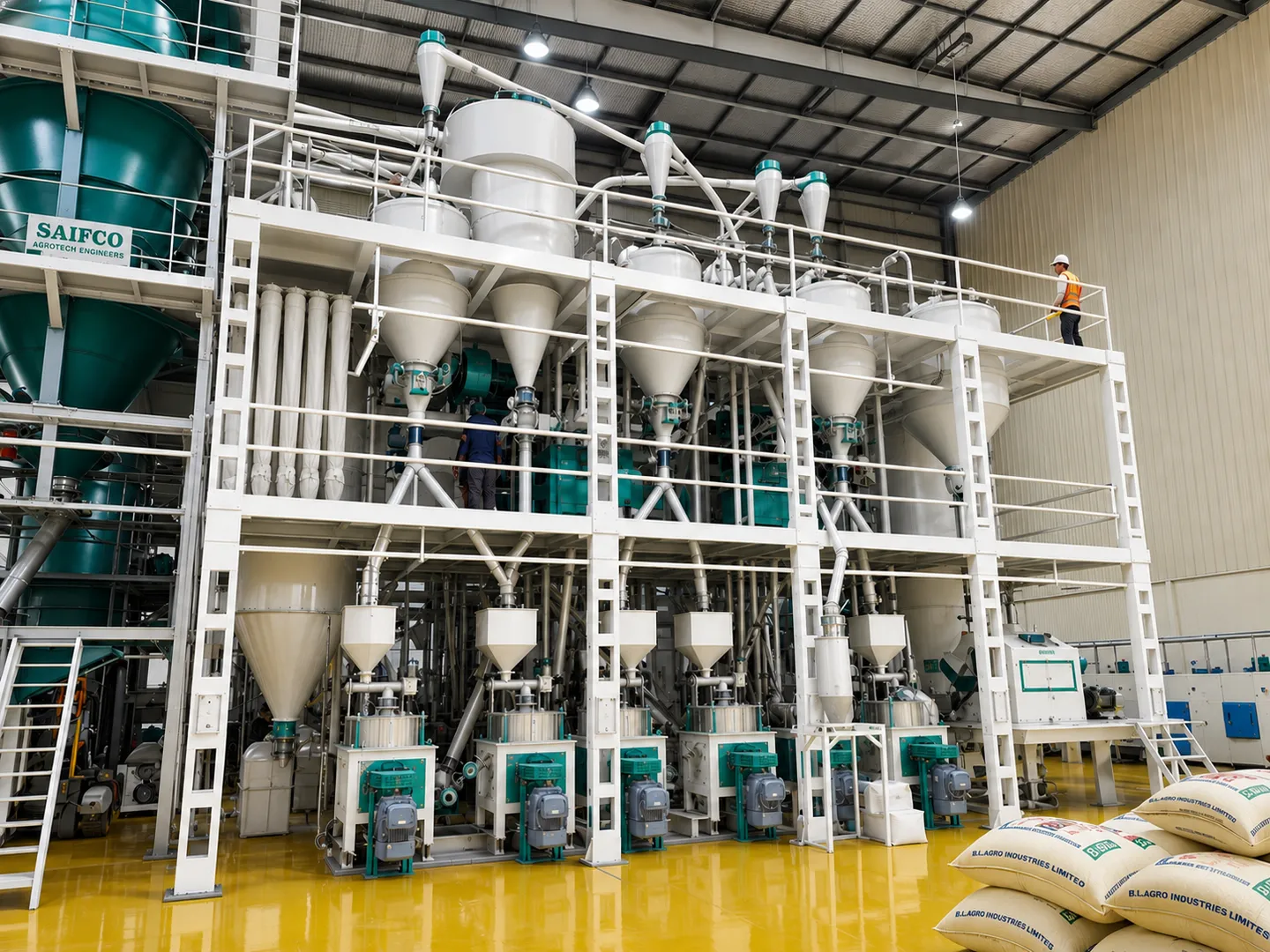
Flow diagram of supplementry (panjiri) processing plant
Flow diagram of supplementry (panjiri) processing plant
Keywords